
It’s Time To Look At The Ocean For Energy
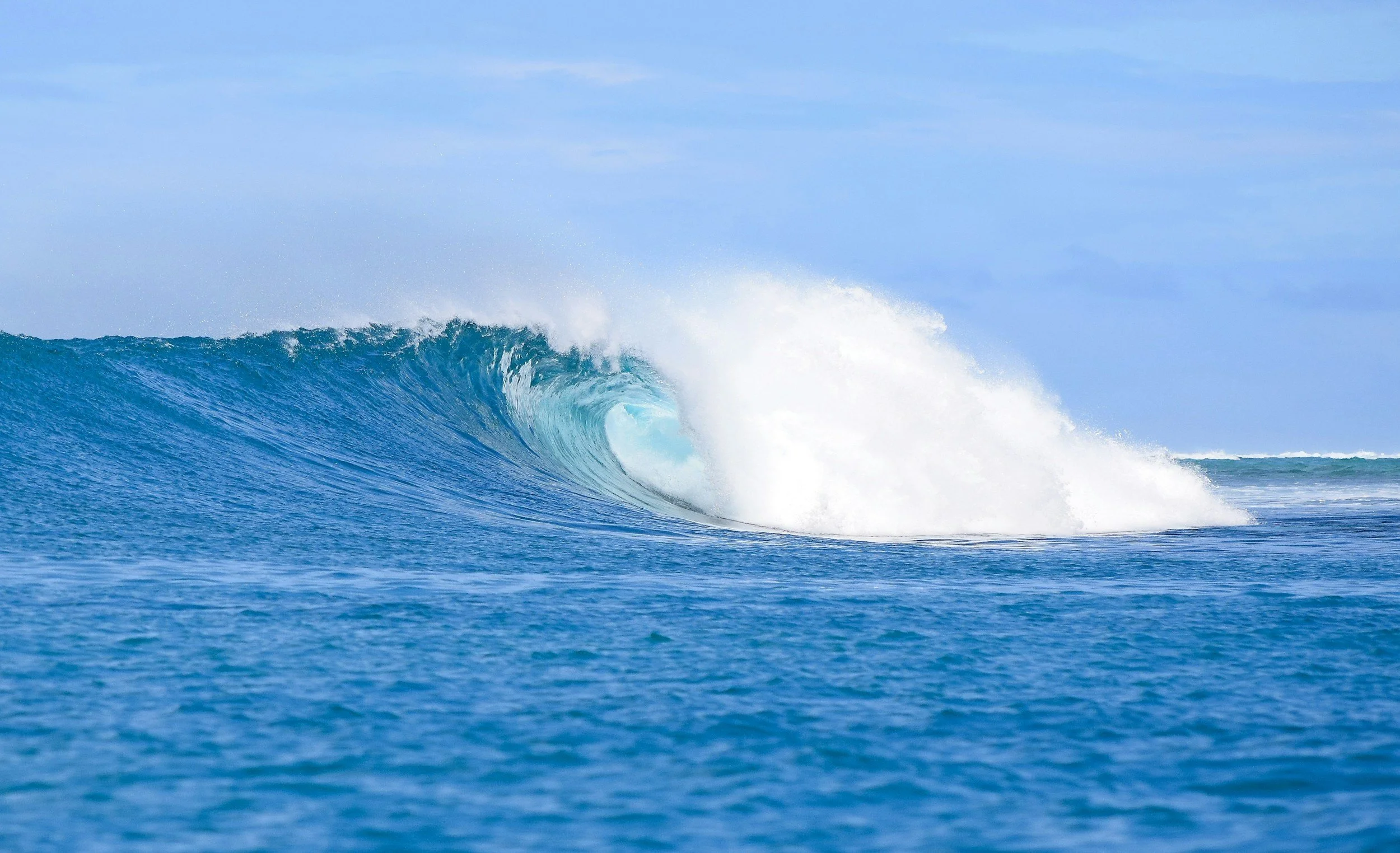
Our planet needs more power, not less. And as we look at where that power may come from, perhaps the ocean deserves a real, close look.
We’ve been spending more time looking at, studying, and investing in other forms of energy creation and generation the past few years.
One area keeps pulling us in… ocean power.
At Partners + Capital, we know oil. Well. And we’ve spent real time in and around traditional energy. We understand the economics, the infrastructure, the risk, the upside, the cycles, the operators, and the very real reason oil and gas still matter.
Oil is not going away tomorrow. Gas is not going away tomorrow.
The world runs on energy, and pretending otherwise is not a strategy. It is a bumper sticker.
But knowing oil well also means understanding something else:
Energy markets evolve. Demand changes. Technology improves. Capital moves.
And the future will belong to those who understand old energy and the new one forming around it.
That’s where ocean power gets really exciting.
The idea is pretty simple. The ocean is always moving. The waves are always waving. Tides always tide. Currents always current. Water moves with a force, rhythm, consistency, and energy in a world in need of more energy, not less.
Hard to ignore the size of that opportunity. but to be clear, this sh*t ain’t easy.
Nothing about ocean power is easy.
It’s for sure capital intensive. It requires serious engineering brainpower. It has to survive saltwater, storms, corrosion, permitting, grid connection, maintenance, and all the other wonderful little details that separate real infrastructure from a nice idea.
But that is also why we like it. The easy stuff is already crowded. The obvious stuff is already priced.
The best opportunities often live in the messy middle, where the need is obvious, the solution is emerging, and the market hasn’t figured out how to organize capital around it… yet.
Energy demand is only going one direction.
Up.
AI, data centers, electrification, manufacturing, transportation, housing, industrial growth, and basic human consumption are all pushing in the same direction.
More power. More infrastructure. More resilience. More creativity.
And probably more capital than most people fully understand.
Our early investments in oil and gas gave us a front-row seat to how real energy gets built, financed, operated, and owned. It also taught us that energy isn’t just a commodity story. It is an infrastructure story. A demand story. A national security story. A quality-of-life story. A capital formation story.
That lens matters.
Because when we look at ocean power, we’re not looking at it like a science project.
We’re looking at it through the lens of an investor. Wave energy. Tidal energy. Current-based systems. Offshore infrastructure. Marine-based generation. Ports. Coastal economies. Grid resilience. And most importantly… financials.
There’s a lot of ways to think about energy, and most won’t work. Some will be too expensive. Some will be too early. Some will fail because the technology is not ready, the economics do not pencil, or the infrastructure is too difficult to scale.
That’s fine. The point is not to chase every shiny new energy idea. The point is to understand where long-term demand, assets, infrastructure, and capital can come together.
Ocean power checks a lot of those boxes. It’s physical. And it’s infrastructure-driven.
Ocean power sits at the intersection of energy, engineering, climate, defense, shipping, ports, coastal economies, and long-term power demand.
Ocean power, unlike a lot of “future of energy” conversations, this one isn’t theory. The ocean is already there. The wave energy is already there. The question is whether it can captured in a durable, scalable, financeable, and profitable way.
And for us, that last word matters… profitable.
There’s a ton of noise in the energy conversation. Slogans. Politics. Ideologies… instead of economics and money.
We’re interested in the economics side.
Can ocean power actually generate power? Can it survive the environment? Can it scale? Can it connect to the grid? Any grid? Can it serve real demand? Can it attract serious capital? Can it become part of a larger infrastructure strategy?
That’s how we evaluate.
At Partners + Capital, we look for smart, alternative ways to gain exposure to real assets, real infrastructure, and real long-term demand trends. Oil and gas helped shape how we think about energy.
Ocean power may help shape where we look next.
Some of it will work. Some of it won’t. But the need for energy isn’t going away.
Our planet needs more power, not less. And as we look at where that power may come from, the ocean deserves a real, close look.
Because sometimes the next big energy opportunity isn’t buried underground.
Sometimes its hand waves right in front of us.